




Recent Posts
Tactile Cartography: Using Intuitive Mapping to Document Personal Geography
Redefining the Map Through Bodily Memory and Materiality A conventional map promises stability. Streets become lines, districts become bounded shapes, and movement is reduced to measurable distance. Digital navigation extends this logic through algorithms that optimize routes, predict arrival times, and translate complex environments into instructions. These systems are useful, but they rarely register the…
The Power of the Unfinished: Why Non Finito Challenges the Modern Art Market
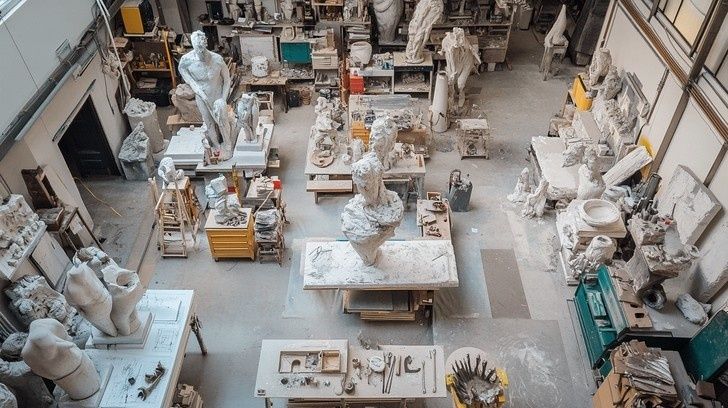
The Deliberate Allure of What Remains Incomplete Non finito is not the same as an abandoned work. An abandoned work may record fatigue, interruption, changed circumstances, or a decision to withdraw. Non finito, by contrast, makes incompletion active. It allows the raw block, exposed ground, visible underpainting, provisional contour, or unresolved edge to remain materially…
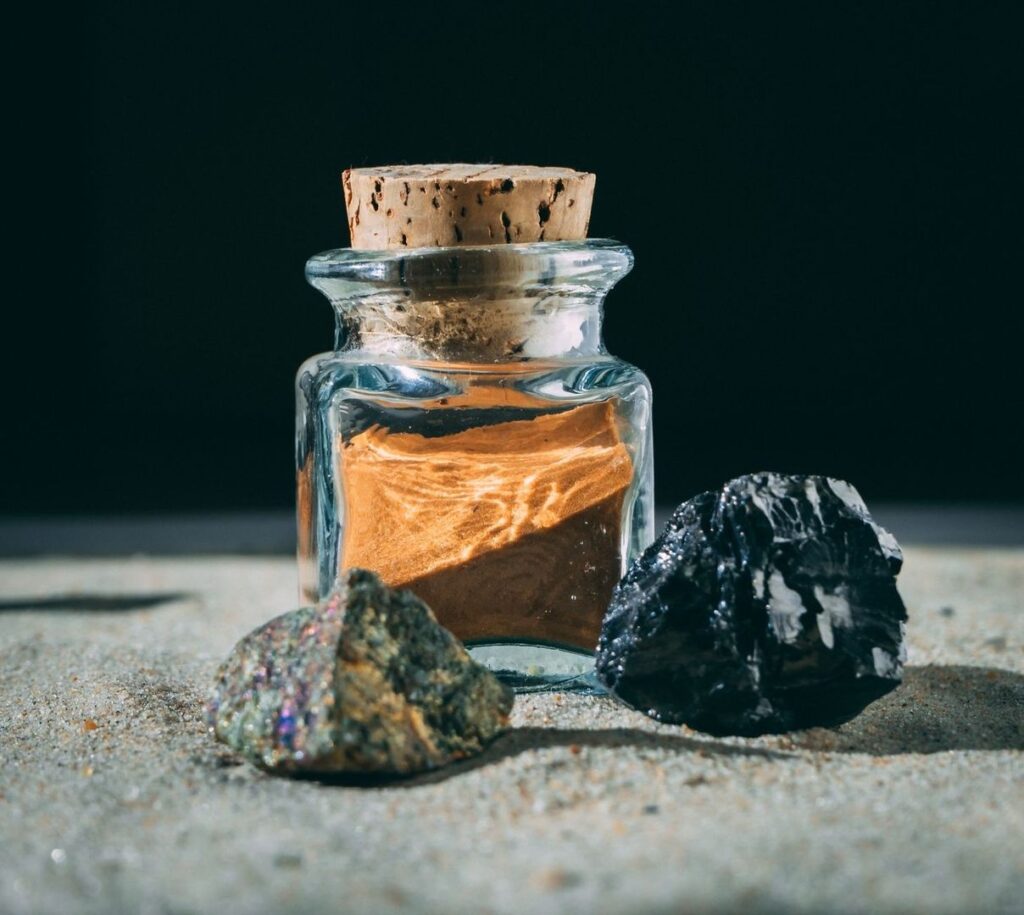
Cultivating Bioregional Pigments: Earth, Foraged Flora, and the Sense of Place
Rediscovering Art Through the Earth Beneath Our Feet Much of the contemporary studio palette arrives as a finished commodity. A tube of paint, a pan of watercolor, or a bag of dry pigment may carry a familiar color name, yet conceal the geological extraction, industrial processing, synthetic chemistry, packaging, and transport behind it. This distance…
Beyond Beautification: The Ethics and Friction of Socially Engaged Public Art
The Trap of the Cosmetic Civic Gesture A brightly painted wall can signal welcome, but it cannot by itself create belonging. Yet public art is frequently commissioned as though visibility were equivalent to vitality: add colour, attract visitors, generate photographs, and declare a neighbourhood transformed. In this model, the mural or installation becomes a civic…
The Architecture of Creative Friction: Why Deliberate Studio Constraints Yield Better Work
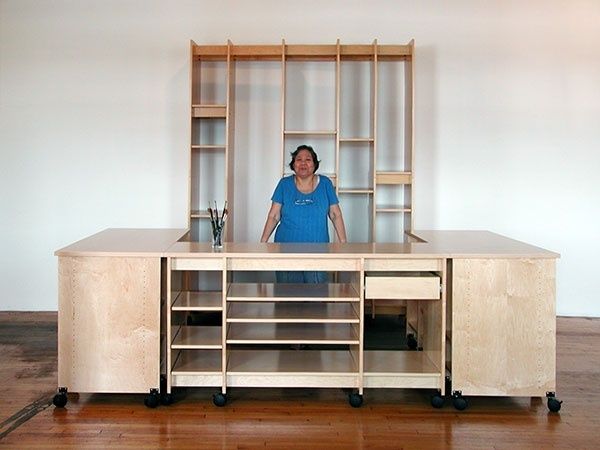
The Tyranny of the Blank Slate The blank canvas is often treated as the purest symbol of artistic freedom. In practice, it can become an arena of decision fatigue. Every pigment appears available, every scale seems possible, and every compositional direction remains open. For a painter already carrying several unresolved intentions, this abundance does not…
The Environmental Impact of Art Materials: Sustainable Choices for Conscious Creators
Artistic expression is a powerful force, enriching our lives and cultures. However, the materials we use to create art often have a hidden environmental cost. From paints and solvents to canvases and packaging, traditional art supplies can contribute to pollution, resource depletion, and waste. Thankfully, a growing movement is empowering artists to make more environmentally…